Featured

Horror and Me

Why do I like to be scared when I’m such a coward?

Plainly put, horror provides a playground in which kids can dance with their fears in a safe way that can teach them how to survive monsters and be powerful too.

It was there in the darkness, in the theatre, just me and the big screen.  The open ocean and one light, a glow in the vastness of the empty space. And then, very slowly, the creeping dread as the teeth behind the light suddenly appeared. Sudden flashes, clashing of jaws, the camera moving fast, following the action and the desperate struggle to get away from the attack.

That was my first experience of horror. Four years old and watching “Finding Nemo” for the first time. I’ll admit, I cried a little. And whenever the film was shown on TV over the next few years, I hid behind the sofa cushions.

I’m a bit of a wimp.
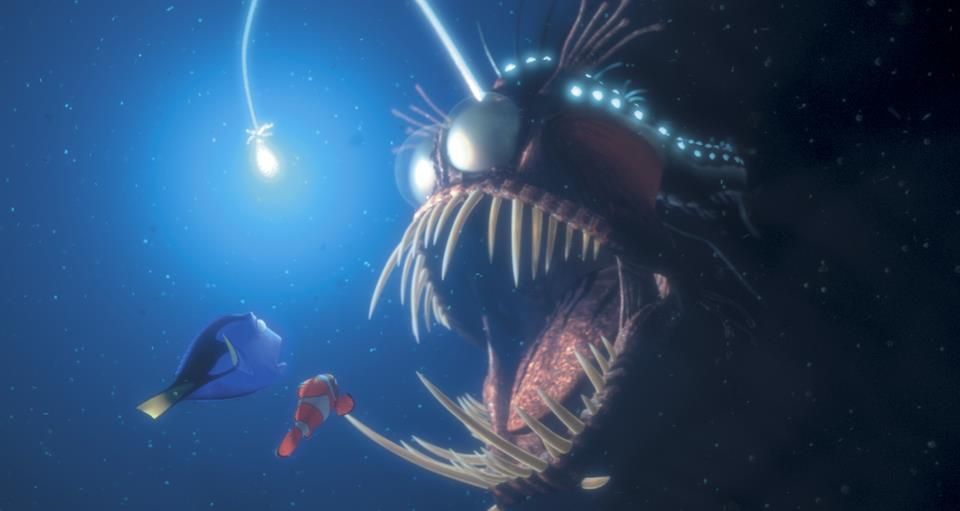
Don’t go into the light

I grew up in an old cottage at the side of a graveyard. The dead held no fear for me; in fact, my mum tells me my imaginary childhood friend for a time was a ‘little blue boy’ who wore strange clothes. No, what provoked the real fear in my childhood was the dark – the village had no street lighting and there were frequent power cuts – more significantly, it was what lurked in the darkness that truly terrified me: the bear that lived in my dad’s study. Obviously, it wasn’t a real bear, but being trapped in that room in the dark one time has left scars no psychiatrist can ever heal.

It is striking how the majority of childhood storybooks contain an element of horror and the underlying reason is that growing up is a scary process, so horror in children’s stories allow them to deal with it in a safe way. Did this help me with my bear problem? No, but neither did it deter me from continuing to explore and enjoy horror stories as I grew up, discovering the works of authors as diverse as Terry Pratchett, Tolkien, Neil Gaiman and of course, the classic Gothic horrors such as Frankenstein and Dracula.
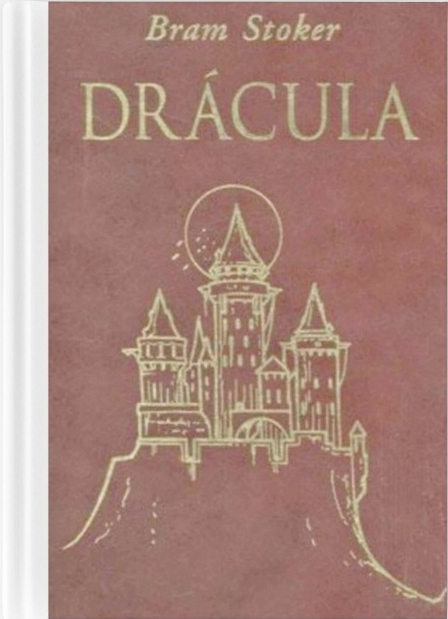
You can never go wrong with the classics

From my first reading, I developed a real appreciation of horror writing, how it can affect a person and creep into their mind. True horror isn’t the cheap Halloween mask found in the corner of the Pound shop. It’s visceral, real and tangible. Good horror fiction sticks in the reader’s mind and keeps you up at night.

So why do we keep coming back to horror? What drives me, someone who is terrified of their own shadow, to keep reading the terrifying and unnatural?
“Stories that frighten us or unsettle us … give us the means to explore the things that scare us… but only as far as our imaginations and our experiences allow. They keep us safe while letting us imagine we’re in peril”

In its essence, horror is thrill-seeking. “When we are afraid, we go into a state which (…) gives us an adrenaline rush (…) the feeling of fear can produce an addictive feeling of power and control”.  Reading a scary story does exactly this, it makes you feel more alive, whilst losing yourself in the experience. We wait with baited breath for terrifying things to happen to others, all the while knowing that it can never happen to you.
Probably.
Just don’t go speaking to any clowns in drains.
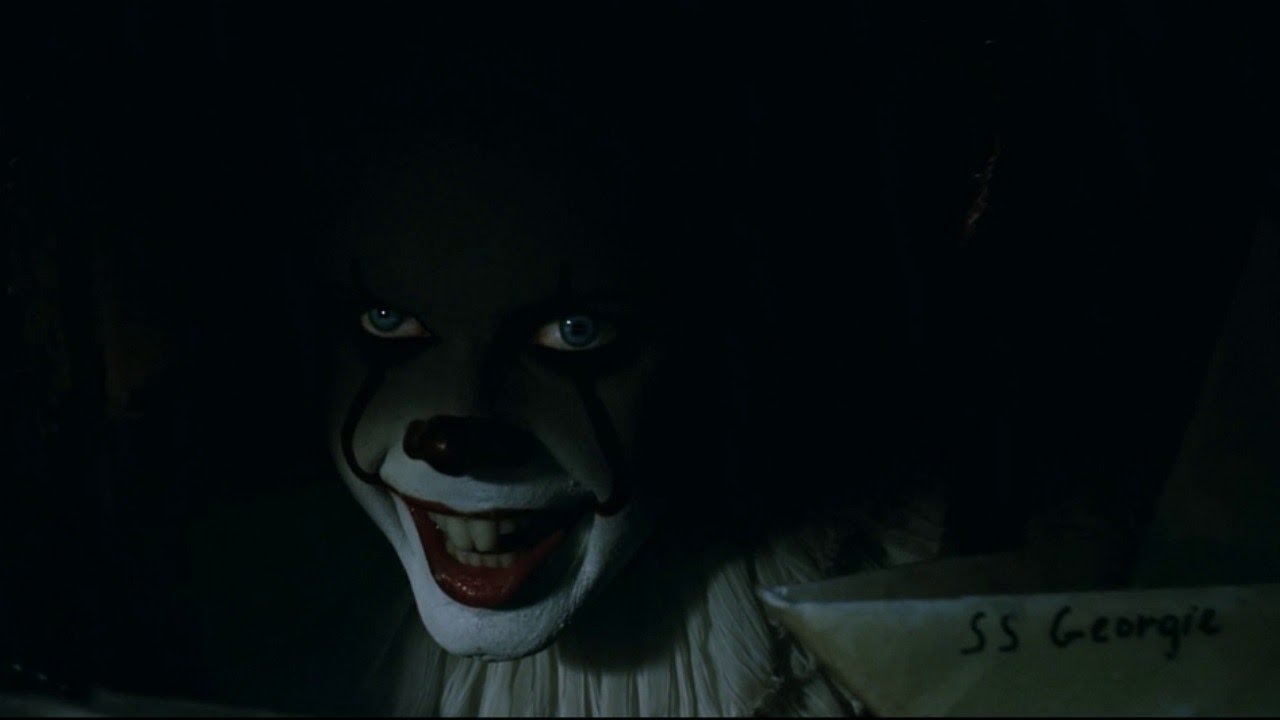
Heya Georgie

Sources
[1]Ruth, May. “Why Horror is Good For You (and Even Better For Your Kids)”. Last Modified May 29 2014. https://www.tor.com/2014/05/29/why-horror-is-good-for-you-and-even-better-for-your-kids/
[2]Finding Nemo. Directed by Andrew Stanton. Disney, 2003. Feature Film
[3]Shelly, Mary. Frankenstein; or The Modern Prometheus
[4]Stoker, Bram. Dracula
[5]Bates, Kath. “Why Do We Like a Scary Story?”. Last Modified October 19 2017. https://www.ool.co.uk/blog/like-scary-story/
[6]Morgan, Lou. “Why Do We Read Scary Books?” Last Modified Thursday 29 OCtober 2015. https://www.theguardian.com/childrens-books-site/2015/oct/29/why-do-we-read-scary-books
The Nature of Horror: why does it exist

If there’s no escaping horror, I’ll just lock myself in a box

What is horror, and why are we drawn to it? As I said in my second post (when describing fear), horror is defined as “an extremely strong feeling of fear.”

To take it from a more literary basis, the writer H.P. Lovecraft stated that “the oldest and strongest emotion of mankind is fear, and the oldest and strongest kind of fear is fear of the unknown”.[1] Anthropologists refer to this as ‘bio-cultural’. What this means is that horror is part of nature – and as such, it is in our nature to be scared. It’s only natural to be frightened of the unknown, the strange or impossible. It’s what has kept us alive as a species, and what defines us.
Ironically, however, it’s also what drives us to seek out horrible things. If you find something that scares or endangers you, you’re not going to repeat that. But you don’t know what that might be, until you find it. And to do that, you have to be looking for it.

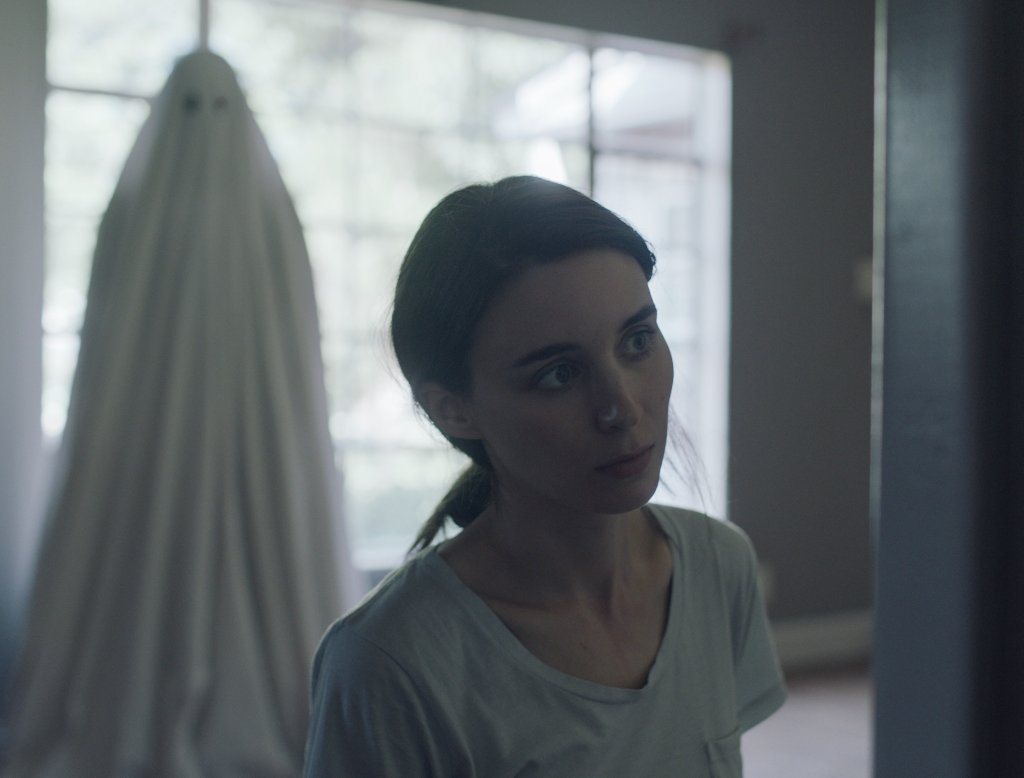
Pictured: A woman looking to be scared

So what is the purpose of horror and why are we drawn to it?

“One suggestion is that, like play, it allows us to rehearse possible threatening scenarios from a position of relative safety.”[2]
Rather than monsters, we now find ourselves more scared by real events and places than anything fake or fantastical. Guy Smith in his book ‘Writing Horror Fiction’ states “real life horror is far more terrifying than anything the pulps ever produced”[3] most likely because if we can imagine it happening to us, a certain edge is created in our mind’s-eye and interpreted as true.

An example of this can be seen in this extract from the 2017 short story “The Family Car”: “Lindsay spots the car in her rear-view mirror. It’s coated in a glaze of dirt. Spatters of a translucent crust have hardened on the windshield, and patches of rust spot the paint like lesions”.[4] Already, we can relate to this, as we’ve all seen an old car like this once in our lives, and also sets the story in the present day. It’s a simple opening, but with the knowledge of the time being the present, the horror is all the more real.

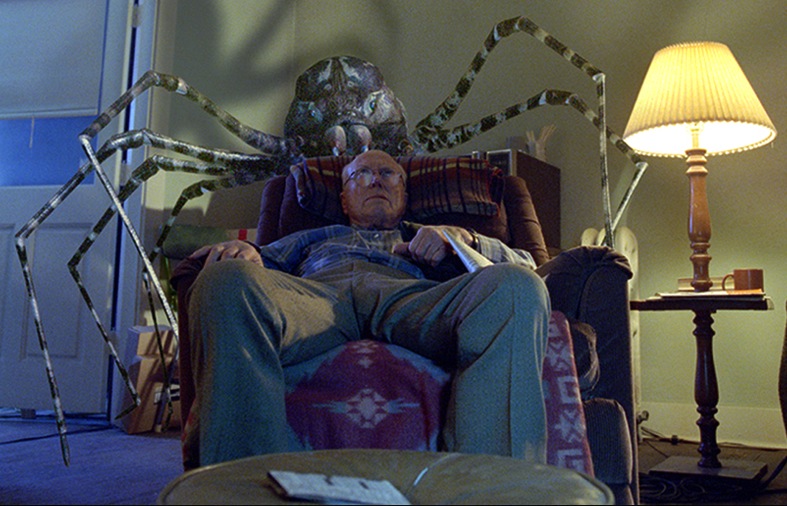
Because regular spiders aren’t bad enough

However, that is not to discredit monsters and freak-shows. As Jessica Yang says, “Monsters embody the allure of danger, transgression, power, and much more”[5]. In the current climate, our nature of horror has taken a tone more akin with realism than surrealism.
As Harry Benshoff puts it, “Similarly, Surrealism (…) in horror also seeks to create disjunction and discord in order to better understand “truths” that have been openly hidden”.[6] Surrealism still has its place in horror, to manipulate and confuse the audience, but it is often relegated to the background and not the main focus of the scares.

Indeed, much of the nature of horror takes place around modern trends and society “in the way that fairy tales, folk tales and gothic romances articulated fears of the ‘old’ world”.[7]

So why has horror always been present?

“What might be classed as the essential conventions of horror to one generation may be very different to the next”,[8] and this is how and why horror has always survived. Horror in its own right evolves and adapts to find new and more fitting ways to shake us to our core and perhaps even change our views on the world and its imagination. Horror is fluid, changing with each generation’s needs.

“’Horror’ as a category of ordinary language, is a serviceable concept through which we communicate and receive information”.[9]

We have always understood what horror is, and what it always will be.

Horror is scary. And we like horror as much as it likes us.

Perhaps we’re the monsters after all

Sources
[1]Horror Fiction: An Introduction Gina Wisker (Page 69)
[2]https://thepsychologist.bps.org.uk/volume-24/edition-11/lure-horror
[3]Writing Horror Fiction: Guy N Smith (Page 13)
[4]New Fears ed. Mark Morris (Page 75)
[5]https://bookriot.com/2017/10/06/hot-monsters-in-fiction/
[6]A Companion to the Horror Film edited by Harry M. Benshoff (Page 170)
[7]The Horror Genre: From Beelzebub to Blair Witch By Paul Wells (Page 5)
[8]Horror By Brigid Cherry (Page 2)
[9]The Philosophy of Horror: Or, Paradoxes of the Heart By Noel Carroll (Page 13)

Horror and Location: Finding the place

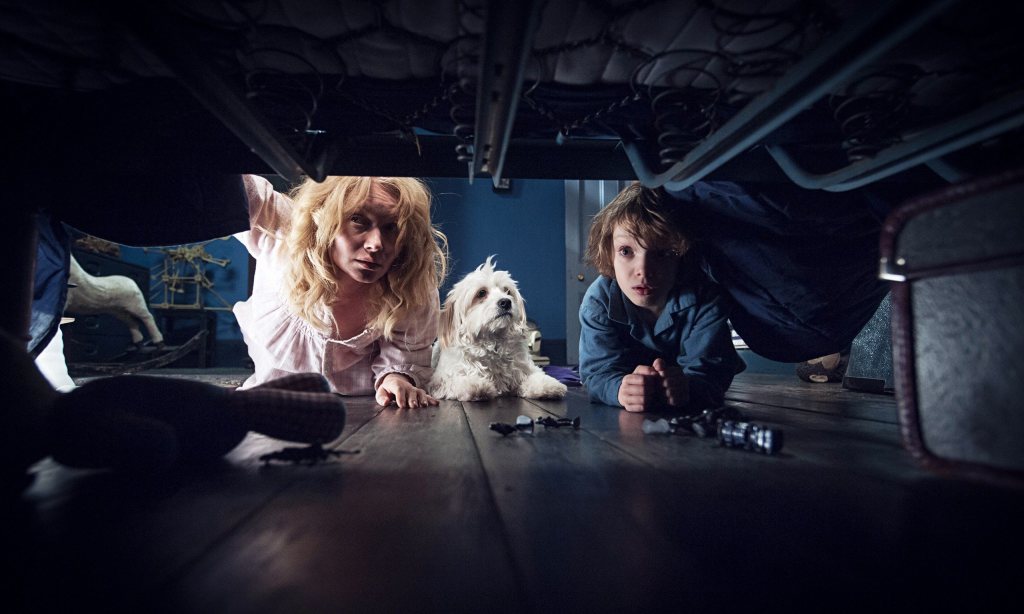
If the bedroom doesn’t have a night-light, I’m not sleeping in it

When writing a horror story, consideration of the location is of the highest order, as this is where you will be setting your piece. It will determine the tone and atmosphere and depending on how well it is used, it can progress, or hamper, the development of the story.

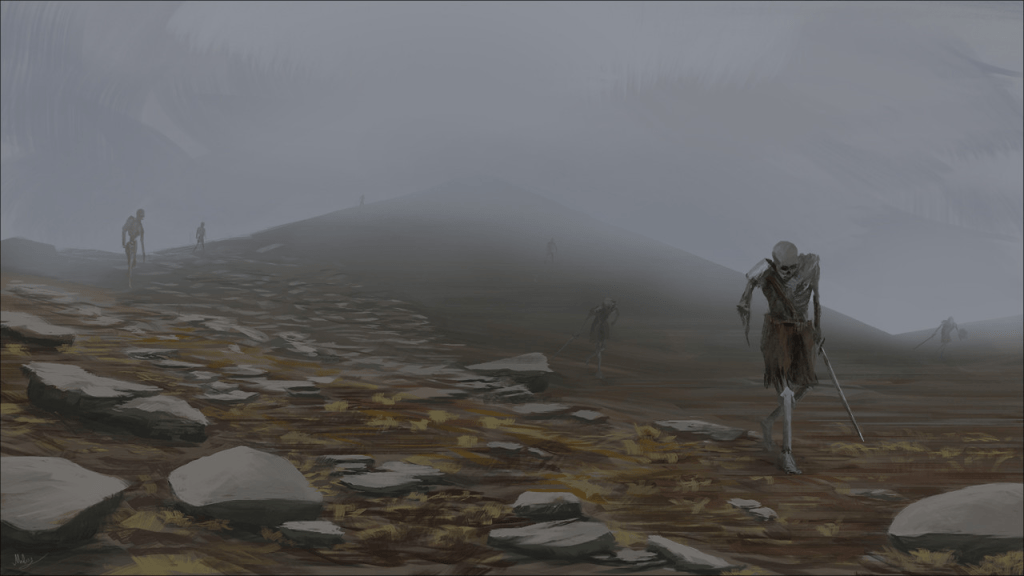
As to exactly what landscape you use, well, anything is fair game.

Go ahead, use this toilet

The thing about landscapes that you must remember is that no matter what the story, if your setting isn’t convincing enough to scare the reader, then you’ve failed as a writer.

“The landscape becomes a devious place, not just a backdrop to what’s happening, but an antagonist.” This is the principle that you must understand when creating a setting in which to place your characters, or you run the risk that  “the protagonists (…) end up in an environment they are not familiar with and are not able to adapt to.”  

So the first step is to find and establish your environment.

A mental image is good, even better when an audience can see it: but how do we get there?

If you’re skilled enough, any landscape or environment can be turned into something horrific, but how do you actually get that onto the page?

The answer is you use Psychogeography, “the study of (…) specific effects of geographical landscapes (…) on the emotions and behaviours of individuals” and can be described simply as the ‘feeling’ a person has when they are in a particular place. For example, a smell might not get a reaction from one person but can have a powerful effect on another: the smell of fresh bread means something different to a baker and the person buying the bread. If you understand these basics in any genre of writing, you will find they are easily transferable to horror fiction.

As I explained in my previous entry, one of the core values of writing horror is putting the character in an environment they’re familiar with, something quite mundane like a supermarket or a car park, and use it to the story’s advantage, slowly ramping up the horror from there. Mort Castle advocates the contrast of the horror against an everyday backdrop. “Readers relate to the ordinary, without your having to work at establishing that relationship .. when the ordinary is invaded by the terrifying extraordinary, horror happens.”

So get the reader comfortable with the environment and setting, and then pull the rug out from under them.

“Two minutes later we were out of town. It was bleak, rolling lowland moor in every direction, stretching out to a big, big sky”. This is another example of psychogeography; the direct impact of the environment on a person’s mental well-being. By creating a good environment, you create a good mental image. Then you, as a horror writer, deconstruct that environment and replace parts of that image with something new, twisted and horrible.

That’s the impact the environment has on a reader, and why the place that you set your story is just as important as the characters and situations you put them in. You may have the best way to scare a person, but if you don’t know how to put the scares into a landscape, then they’ll never land.

Nope, nothing out of the ordinary here

Sources
[1] Savolainen, Matti, Gothic Topographies: Language, Nation Building and ‘Race’ (Farnham: Ashgate, 2013)
[2] Coverly, Merlin, Psychogeography (Harpenden: Pocket Essentials, 2010)
[3] Castle, Mort, On writing Horror: A Handbook by the Horror Writers Association, (Cincinnati: Writer’s Digest Books, 2006)
[4] Stephen Gallagher, Shepherd’s Business from Morris, Mark, New Fears: New Horror Stories (London: Titan Books, 2017)

Horror and the Writer: Emulating Fear

How do I manage to be scared by my own shadow?

Sometimes the most horrific thing about a story is the writer behind it

To write horror, you must first understand what horror is.
To understand horror, you must first know the meaning of the word ‘fear’.

“The literal base of the word is physiological – it means ‘the standing on end of the hair’ (…) and it comes by the transfer to denote the recoil, inner and outer, of the whole organism” is how Victor Sage puts it. A little wordy, but we can break it down into simpler terms: if your hair stands on end and you want to run away, you’re scared. It’s a simple concept, and something I’m sure we’ve all experienced at one time or another.

So how do we inflict fear onto our dear readers? It’s simple, we scare them.

Time for another definition: to scare ‘to cause great fear or nervousness’ and as a horror writer, your job is to scare the pants off your reader, terrify their being, shroud their minds in the horrific and unsettling. Josh Malerman, author of ‘Bird Box’ states “A good place to start in terms of scaring your reader (…) be scared yourself”, which is something Harrison Demchick, author of ‘The Listeners’ backs up “If you manage to creep yourself out with your own writing, it’s usually a pretty good sign that you’re onto something”.

So, you’ve managed to scare yourself; how do you place that fear on others?
“‘But you’re dead, my Isobel’, fear silvers his tone.
‘Oh yes, so very dead, and you do but dream me’”.
We can learn everything we need in this simple quote from “No Good Deed”. The man is speaking with the dead, and that scares him. In other words? He’s doing something normal, but in an abnormal way.

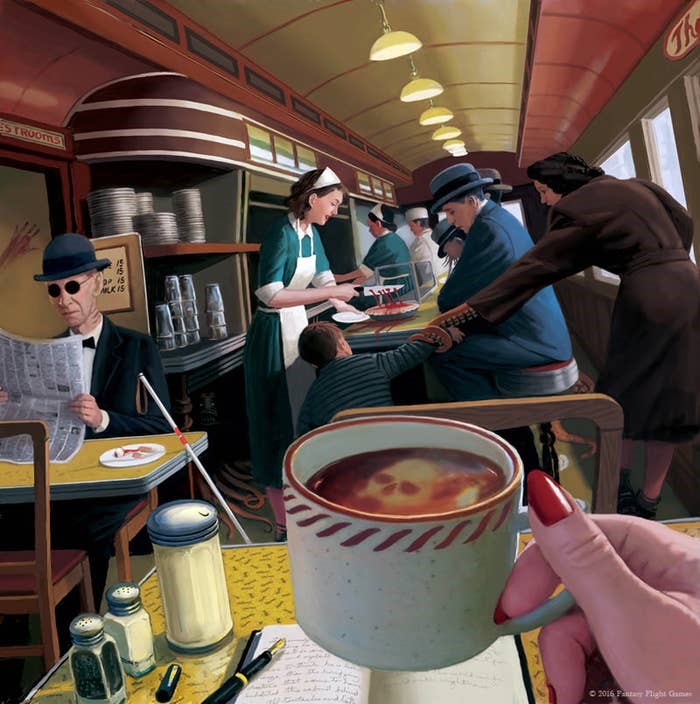
“So how’s that novel coming along?”

To write a good horror novel, the writer needs to create something that everyone can relate to.  You take an ordinary person, an ordinary scenario and then screw it up as much as you can. Having a dinner party? Throw in a dead person. Sleep over? Not with a killer on the loose. Joyous countryside? Give them a heaping of diseased rats to deal with.

By taking something that the reader would be familiar with or know about, the writer can then twist and turn it so that it becomes uncomfortable, chilling, scary. The reader won’t know what to do with themselves when their tap spills out thousands of cockroaches, so how do they think the character will react?

That’s your task as the writer, to drag and force the reader through a terrible situation using what they know and having them feel what you and the characters in the story are feeling.
Build up the feeling of unease, let the dread settle in and then hit them with the punchline of sheer terror.

If your readers have become insomniacs because of the monster under their bed, you’ve done your job.

If you know your strengths, you can terrify anything

Sources
[1]Sage, Victor Horror Fiction in the Protestant Tradition (New York: St. Martin’s Press, 1988)
[2]Wilson, Michael, last modified September 23 2015,
How To Scare Your Reader: 11 Tips From 11 Horror Writers, https://litreactor.com/columns/how-to-scare-your-reader-11-tips-from-11-horror-writers
[4]”Reedsy Blog”, Last modified October 22 2018, How to Write a Horror Story: 7 Tips for Writing Horror, https://blog.reedsy.com/how-to-write-a-horror-story
Slatter, Angela, ‘No Good Deed’, New Fears, ed. by Mark Morris (London: Titan Books, 2017)

Design a site like this with WordPress.com
Get started